SolarBasicsHub.com
Start Here: Beginner Solar Guides (No Risky DIY)
Clear, practical solar basics for homeowners—how systems work, how to size realistically, and how to understand bills and solar credits. We focus on safe planning and questions to ask pros (not electrical installation steps).
Recommended learning path (quick + practical)
- Solar Basics (Start Here) — the core concepts in plain language
- kW vs kWh — understand quotes and your bill units
- Peak Sun Hours — estimate sunlight “fuel” for your location
- Performance Ratio (PR) — a realistic loss factor for estimates
- Net Metering Explained — how credits work and what “net billing” changes
- Why Solar Production Is Low — safe checks before calling a pro
Safety note: For any wiring, panel work, or rooftop installation, consult a qualified professional. This site is for education and planning.
Browse topics
Solar Basics (Start Here)
Core terms, how solar works, sizing basics, and planning tools.
Solar Costs & Payback
Quote line items, cost drivers, and simple payback thinking.
Solar Batteries
Battery types, tradeoffs, and safe planning considerations.
Inverters
String vs microinverters, shading decisions, and system basics.
Solar Panels
Panel basics, performance expectations, and maintenance.
Maintenance & Troubleshooting
Safe checks, seasonal changes, and when to call a professional.
Latest guides
Fresh posts are listed here automatically. Google tends to crawl your homepage often, so this section helps new posts get discovered faster.
-

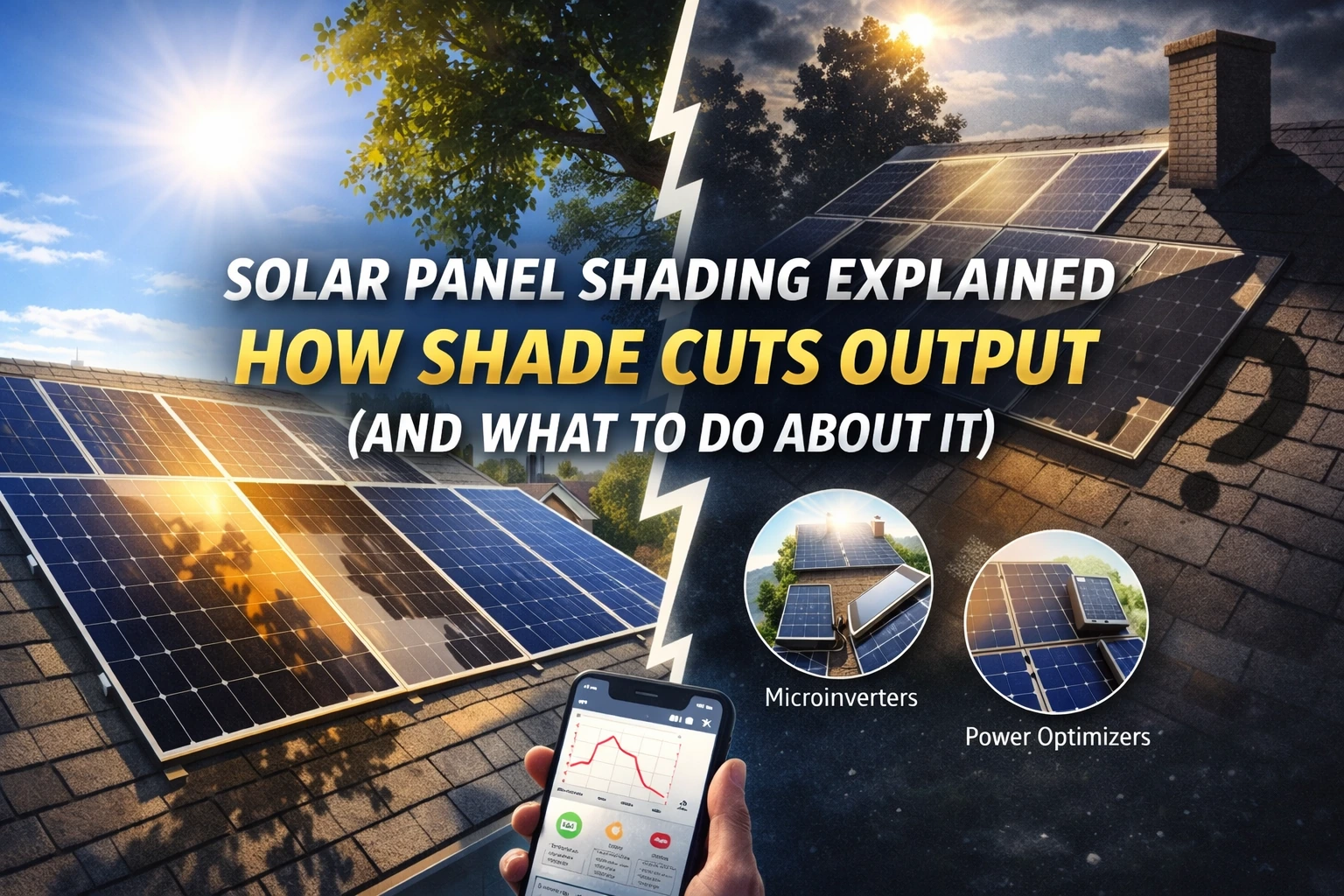
Solar Panel Shading Explained: How Shade Really Affects Output (and What to Do About It)
Shade on solar panels can reduce output more than the shaded area suggests. Learn why partial shading hits hard, how to spot shade patterns in your monitoring app, and which solutions (layout, microinverters, optimizers) are worth it for US homes.
-
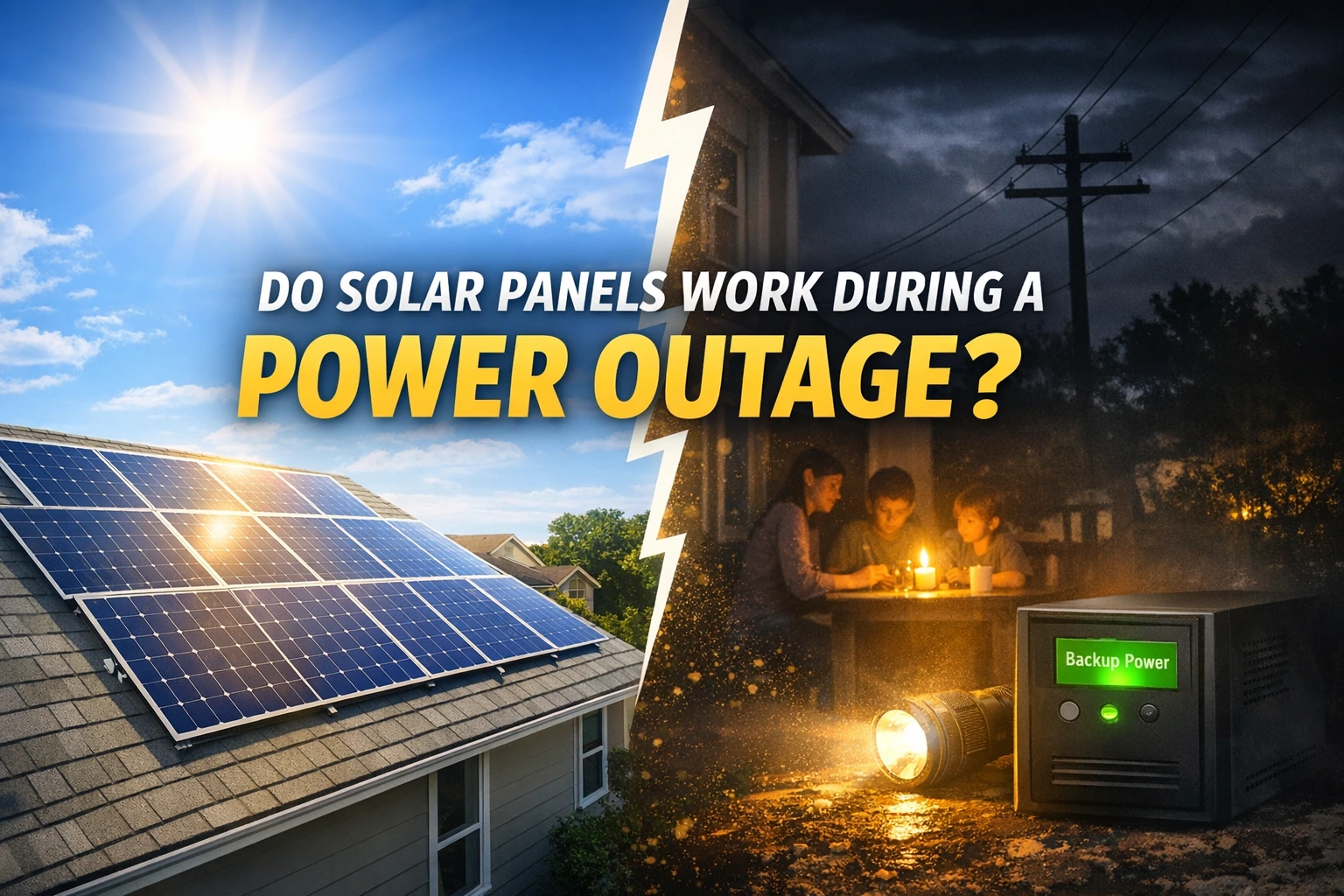
Do Solar Panels Work During a Power Outage? Why Grid-Tied Shuts Off + Backup Options (USA)
Most grid-tied solar shuts off in a blackout (anti-islanding). Here’s why—and the real ways to get backup power with batteries or daytime backup in the USA.
-
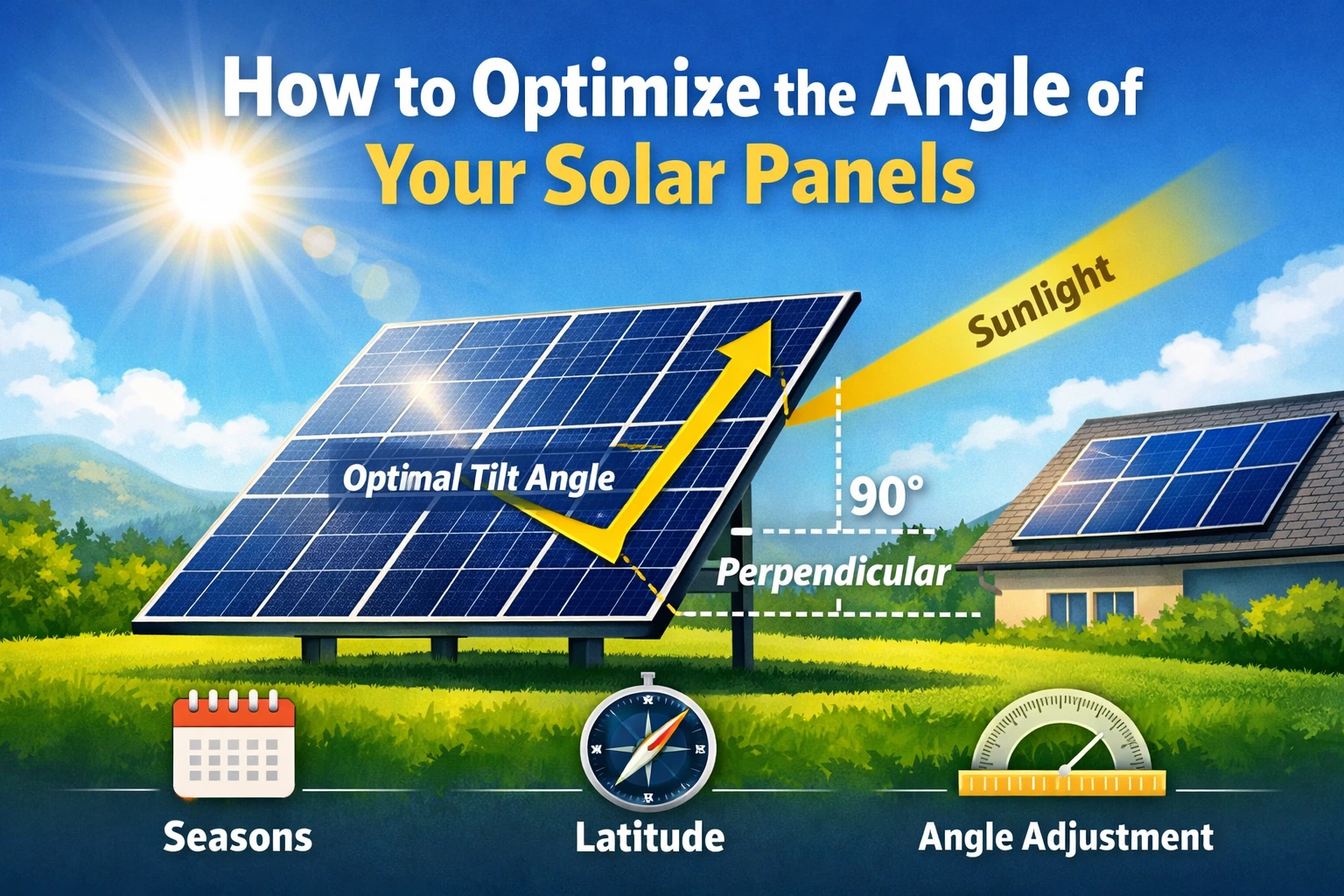
Best Direction for Solar Panels (USA): South vs West vs East (Plus Tilt, Shade, and TOU Value)
South-facing solar often makes the most yearly energy—but west-facing can produce more during expensive late-afternoon hours on TOU plans. This beginner-friendly guide explains direction, tilt, azimuth, shading, and a fast PVWatts method to compare your roof options before you sign a quote.
-
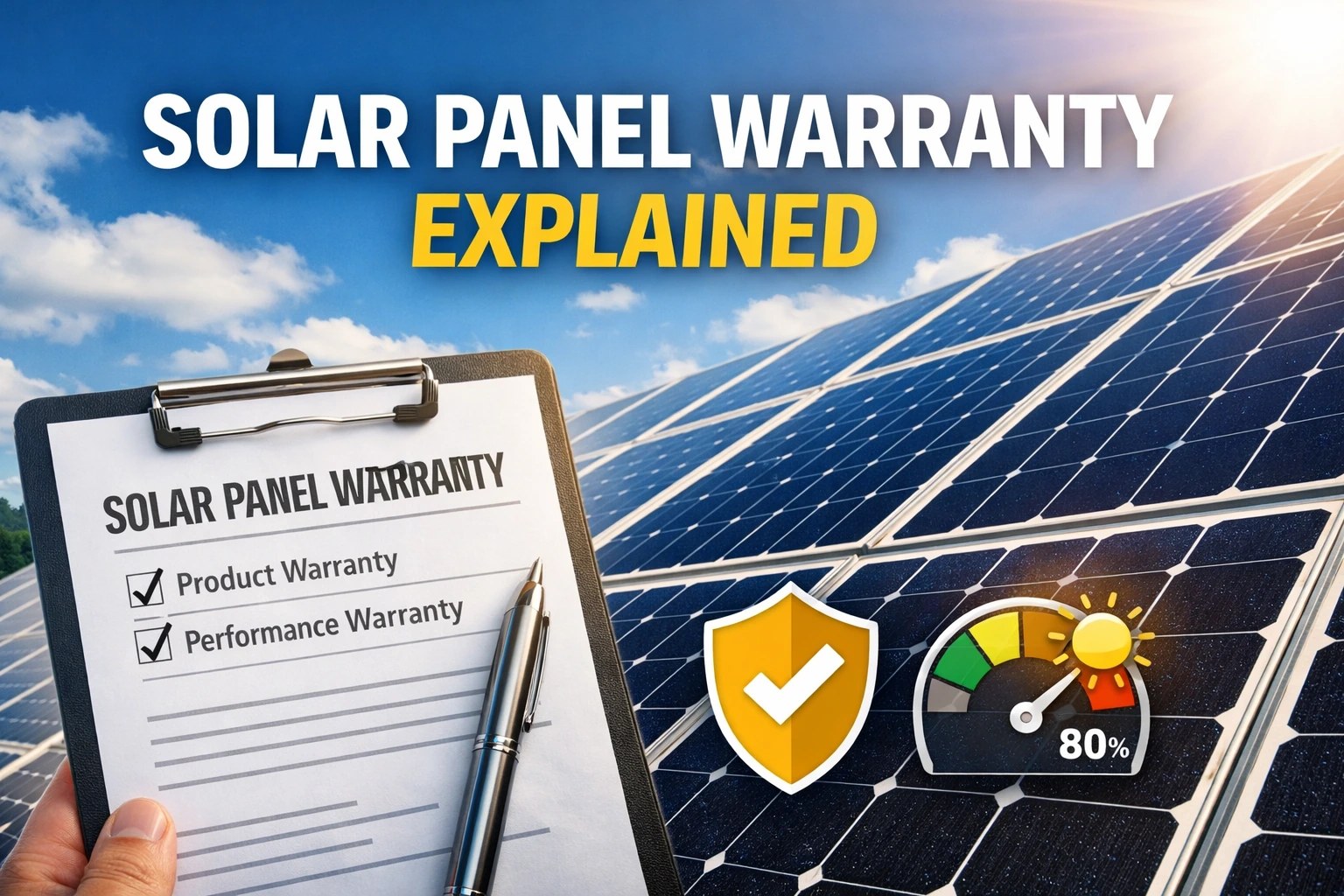
Solar Panel Warranty Explained (USA): Product vs Performance, Degradation Math, and What Voids Coverage
A “25-year warranty” can mean very different things. This guide explains solar panel product vs performance warranties, how degradation thresholds work, the most common exclusions that kill claims, and a homeowner checklist to compare quotes and protect coverage in the USA.
-

Solar Battery Throughput Warranty Explained (MWh Limit): What It Means, How to Calculate It, and How to Compare Quotes (USA)
Battery warranties aren’t just “10 years.” Many include a throughput limit (measured in MWh) that can end coverage sooner if you cycle the battery daily. This guide explains throughput warranties in plain English, shows simple calculations to estimate “years of use,” and gives a checklist to compare solar battery quotes safely in the USA.
-
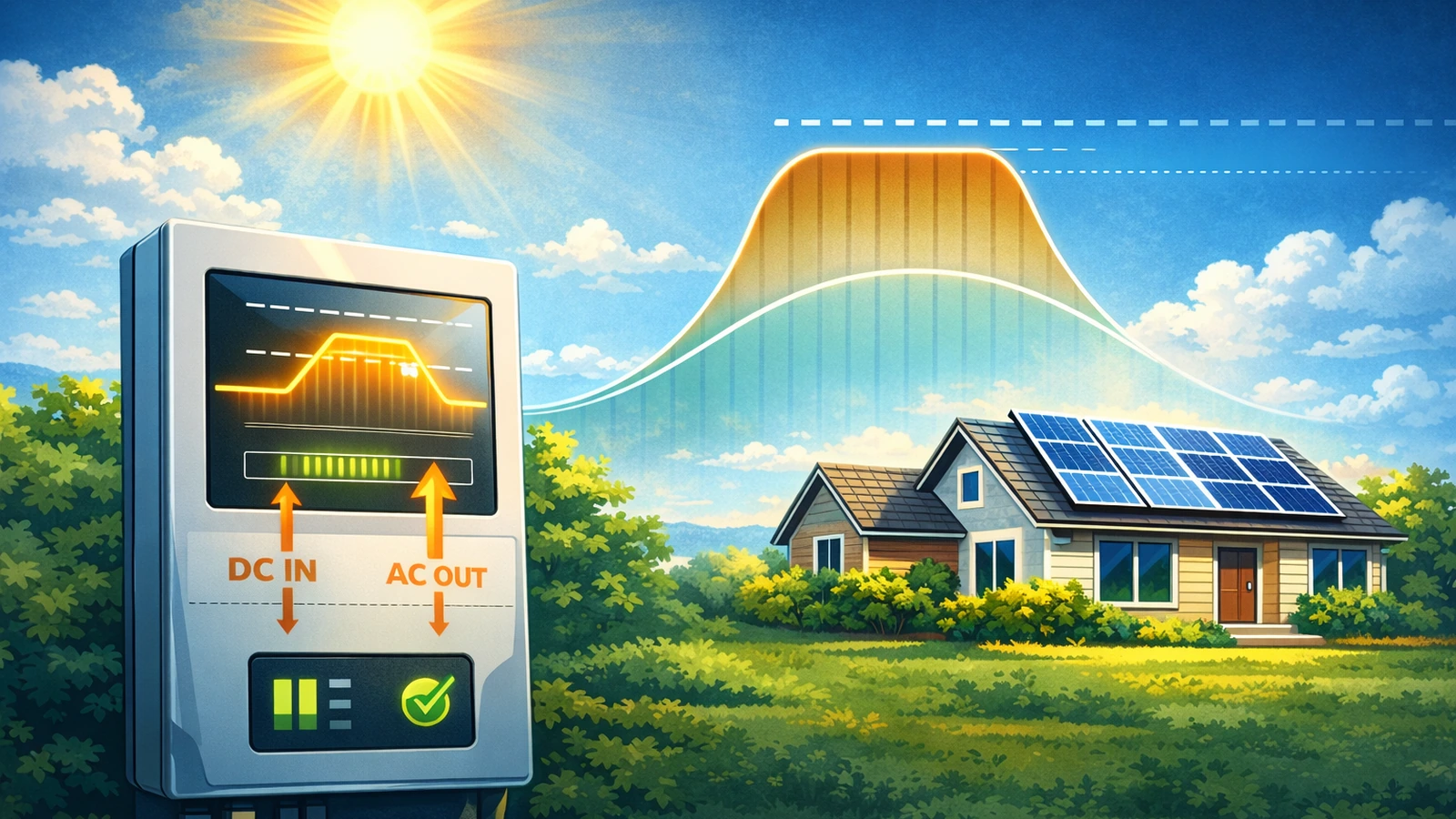
Solar Inverter Clipping Explained (DC-to-AC Ratio): Is Your Inverter “Undersized” or Is It Smart Design?
Seeing a “flat-top” solar production curve at noon? That’s often inverter clipping—not a broken system. This beginner-friendly guide explains DC vs AC sizing, DC-to-AC ratio (ILR), how much energy clipping usually costs, and when it’s smart design vs a sign you should redesign your inverter choice.
About & policies
About: Learn our approach, safety notes, and editorial standards.
Contact: Questions, corrections, or topic requests.
Privacy: How analytics and ads are handled.