SolarBasicsHub.com
Start Here: Beginner Solar Guides (No Risky DIY)
Clear, practical solar basics for homeowners—how systems work, how to size realistically, and how to understand bills and solar credits. We focus on safe planning and questions to ask pros (not electrical installation steps).
Recommended learning path (quick + practical)
- Solar Basics (Start Here) — the core concepts in plain language
- kW vs kWh — understand quotes and your bill units
- Peak Sun Hours — estimate sunlight “fuel” for your location
- Performance Ratio (PR) — a realistic loss factor for estimates
- Net Metering Explained — how credits work and what “net billing” changes
- Why Solar Production Is Low — safe checks before calling a pro
Safety note: For any wiring, panel work, or rooftop installation, consult a qualified professional. This site is for education and planning.
Browse topics
Solar Basics (Start Here)
Core terms, how solar works, sizing basics, and planning tools.
Solar Costs & Payback
Quote line items, cost drivers, and simple payback thinking.
Solar Batteries
Battery types, tradeoffs, and safe planning considerations.
Inverters
String vs microinverters, shading decisions, and system basics.
Solar Panels
Panel basics, performance expectations, and maintenance.
Maintenance & Troubleshooting
Safe checks, seasonal changes, and when to call a professional.
Latest guides
Fresh posts are listed here automatically. Google tends to crawl your homepage often, so this section helps new posts get discovered faster.
-

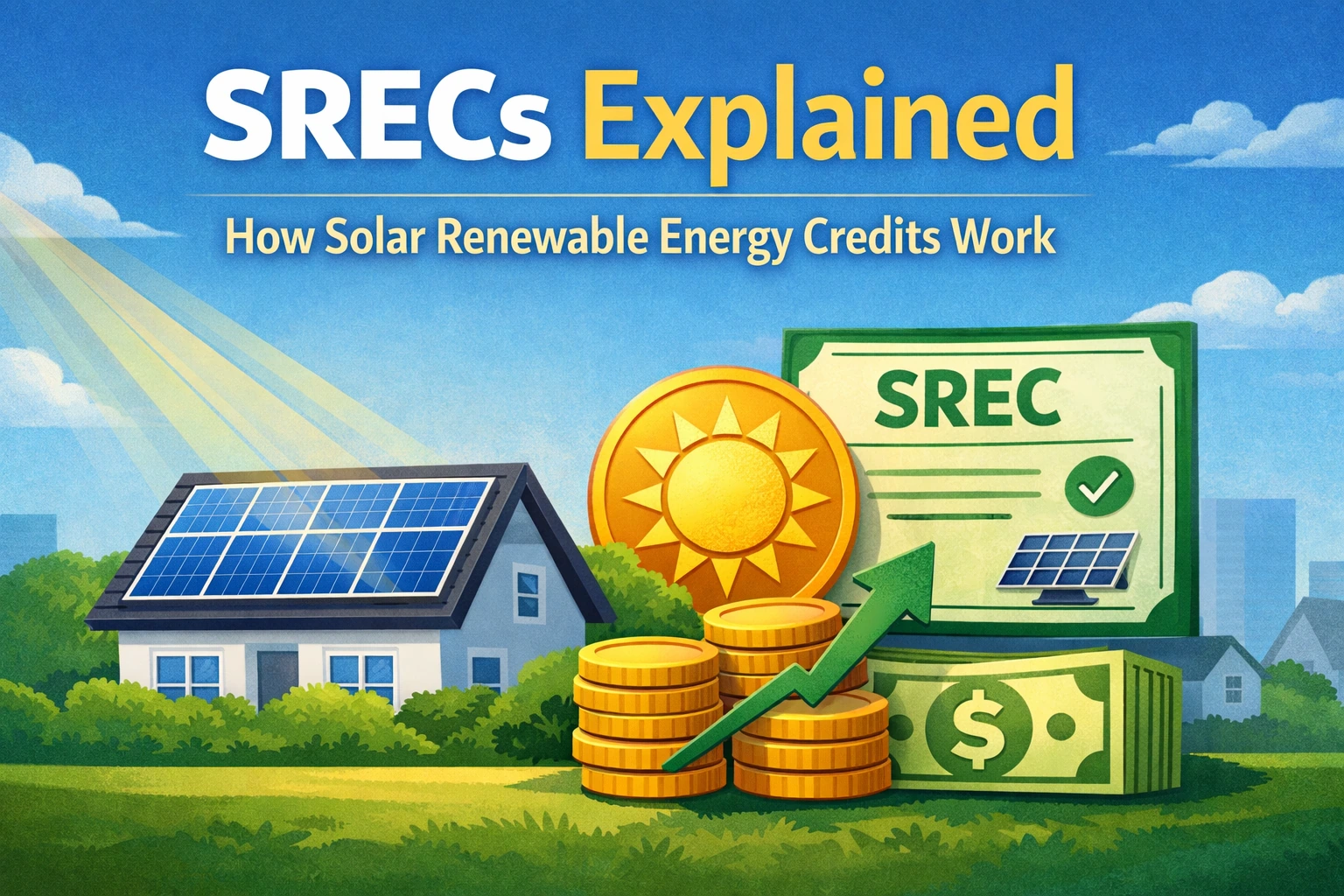
SRECs Explained (USA): What Solar Renewable Energy Credits (SRECs) Are, Who Can Earn Them, and How to Sell Them Safely
SRECs (Solar Renewable Energy Credits) can add real value to a solar system in some U.S. states—but they’re easy to misunderstand. This guide explains SRECs in plain English, how you earn them (1 credit per 1,000 kWh), where they exist, how to sell them safely, and the key questions to ask so you don’t accidentally…
-

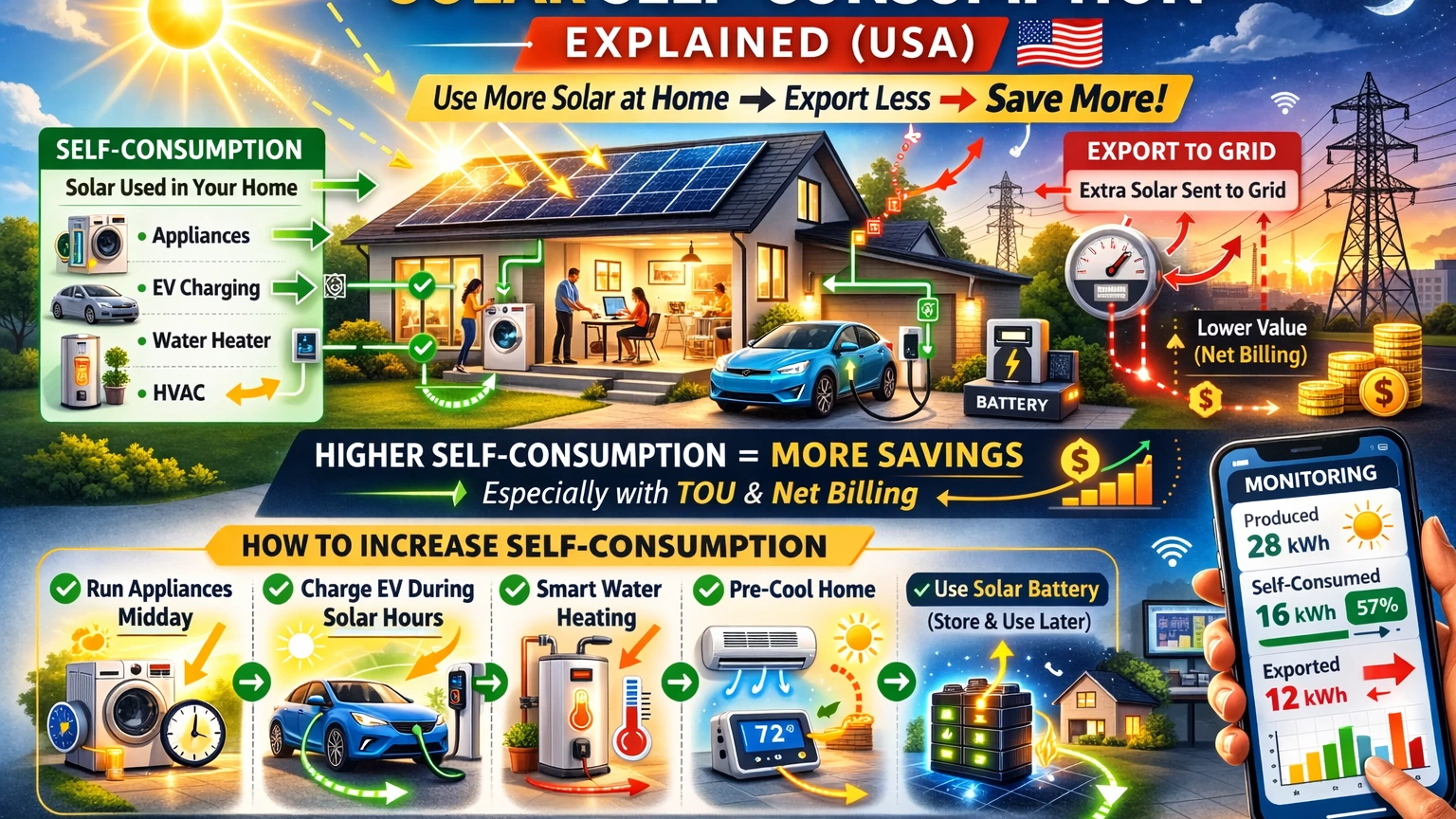
Solar Self-Consumption Explained (USA): What It Is, How to Calculate It, and How to Increase It (Without Risky DIY)
Self-consumption is the share of solar energy you use in your home instead of exporting to the grid. In many U.S. rate plans—especially net billing and TOU—this one number can change your savings more than panel efficiency. This guide shows how to calculate self-consumption (using your monitoring app or your bill) and how to increase…
-
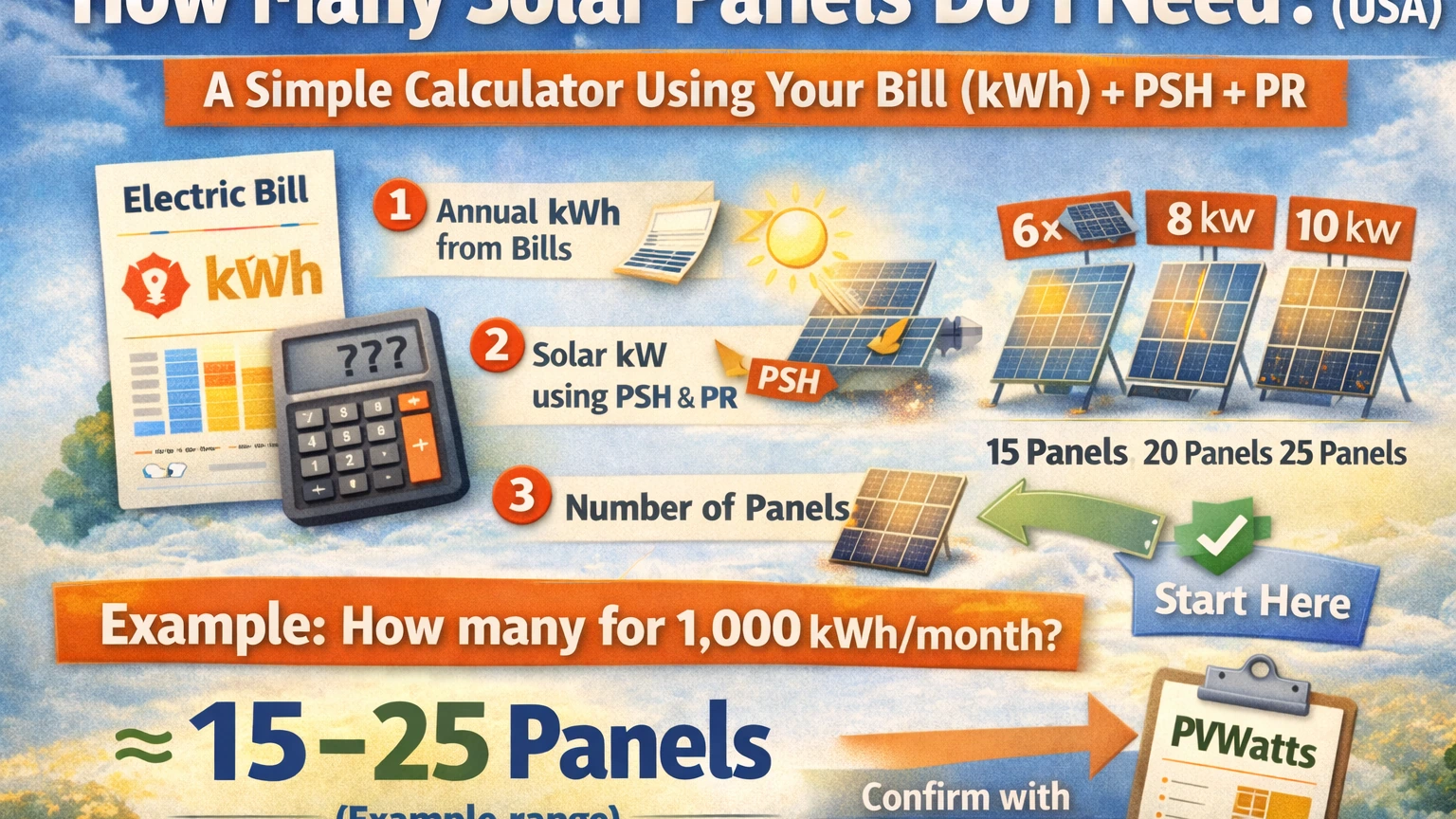
How Many Solar Panels Do I Need? (USA) A Simple Calculator Using Your Bill (kWh) + PSH + PR
Wondering how many solar panels you need? This homeowner-safe guide turns your electric bill (kWh) into a realistic panel count using peak sun hours (PSH), performance ratio (PR), and average panel wattage—then shows how to confirm it with PVWatts.
-
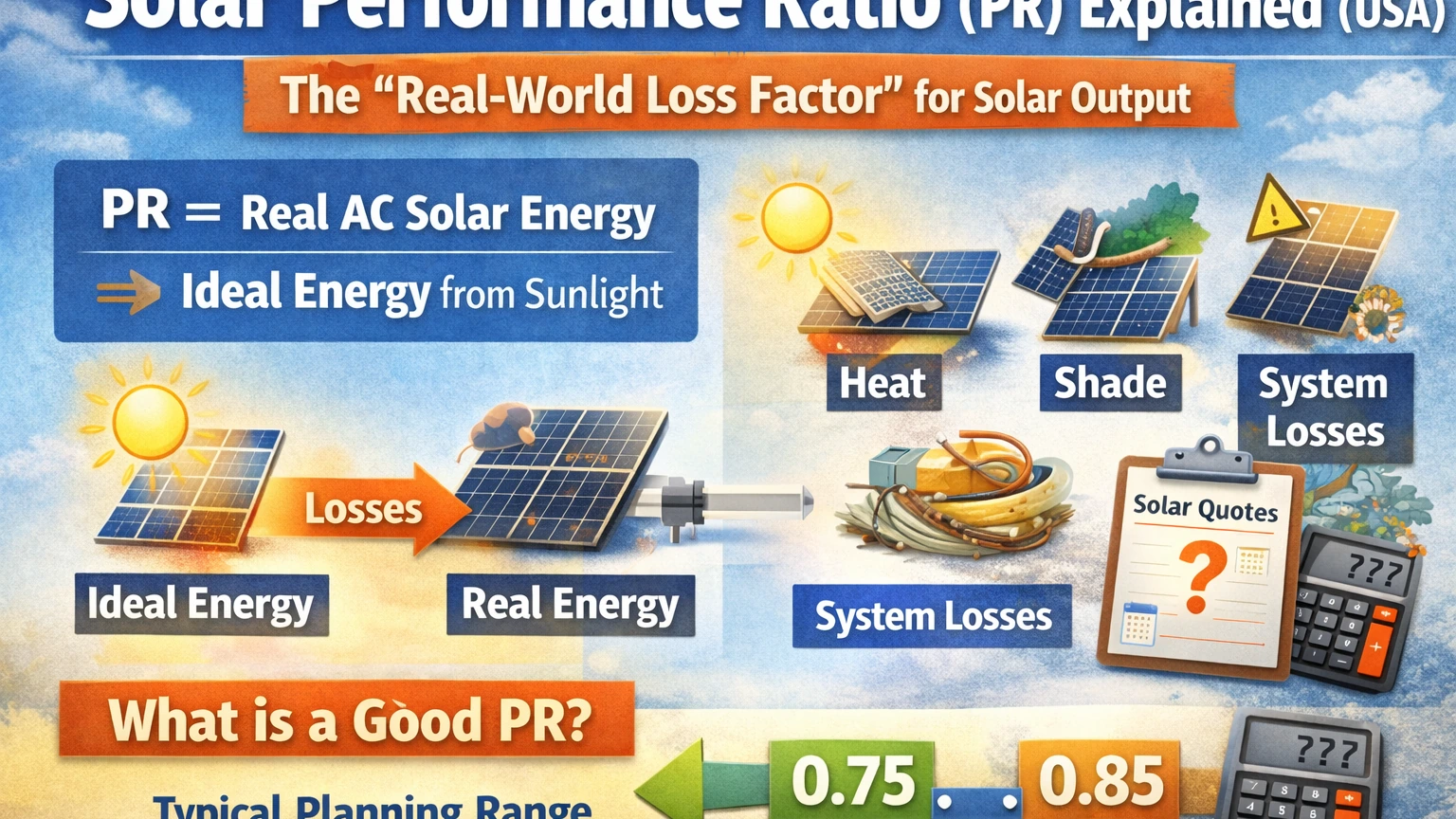
Solar Performance Ratio (PR) Explained (USA): The “Real-World Loss Factor” That Makes Solar Estimates Honest
Performance Ratio (PR) is the easiest way to understand why real solar output is lower than “ideal” output. This guide explains PR in plain English, the core formula, typical ranges, what lowers PR, and how to use PR to sanity-check PVWatts and solar quotes.
-
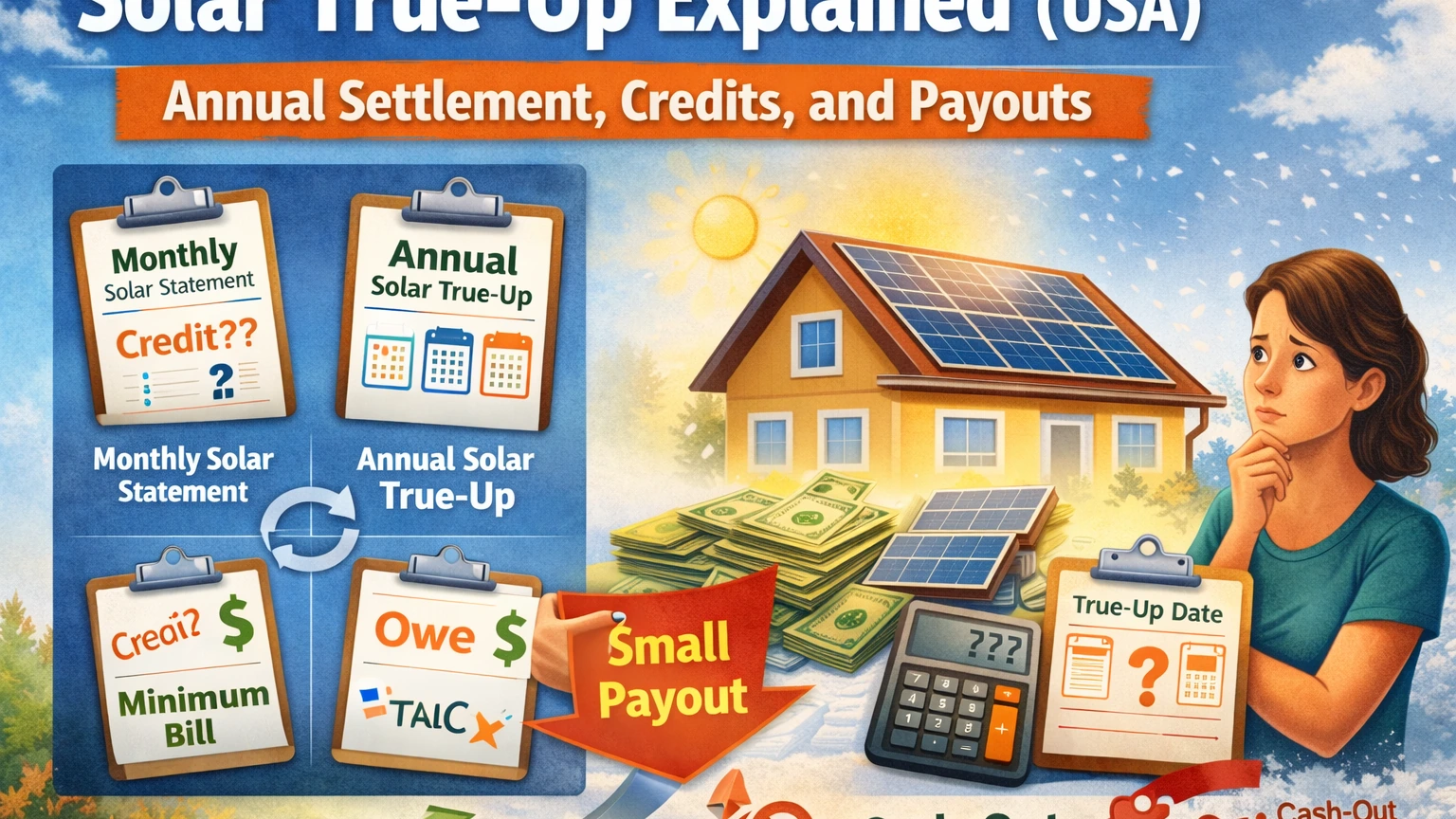
Solar True Up Explained (USA): Annual Net Metering Settlement, Credits, and What Happens to Unused Solar Credits
A solar “true-up” is the annual settlement that reconciles your net metering credits and charges. This guide explains how true-up statements work, why you may still owe money, and what happens to unused solar credits (rollover, expiration, or payout at a different rate).
-
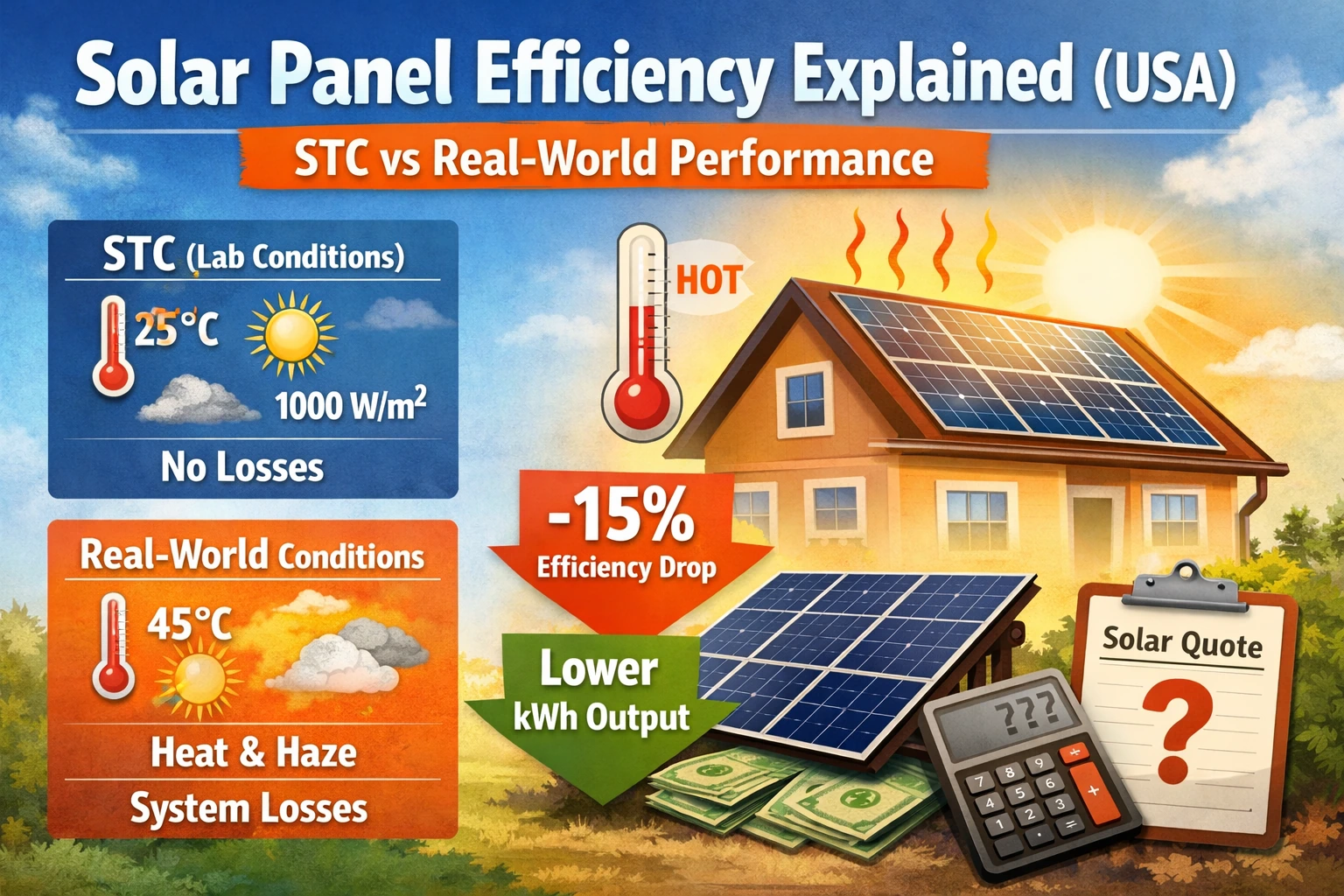
Solar Panel Efficiency Explained (USA): STC vs Real-World Output and When “High Efficiency” Is Worth It
Solar panel efficiency is real—but it’s often misunderstood. This guide explains STC vs real-world conditions, temperature losses, and when higher-efficiency panels actually increase savings (and when they don’t).
About & policies
About: Learn our approach, safety notes, and editorial standards.
Contact: Questions, corrections, or topic requests.
Privacy: How analytics and ads are handled.